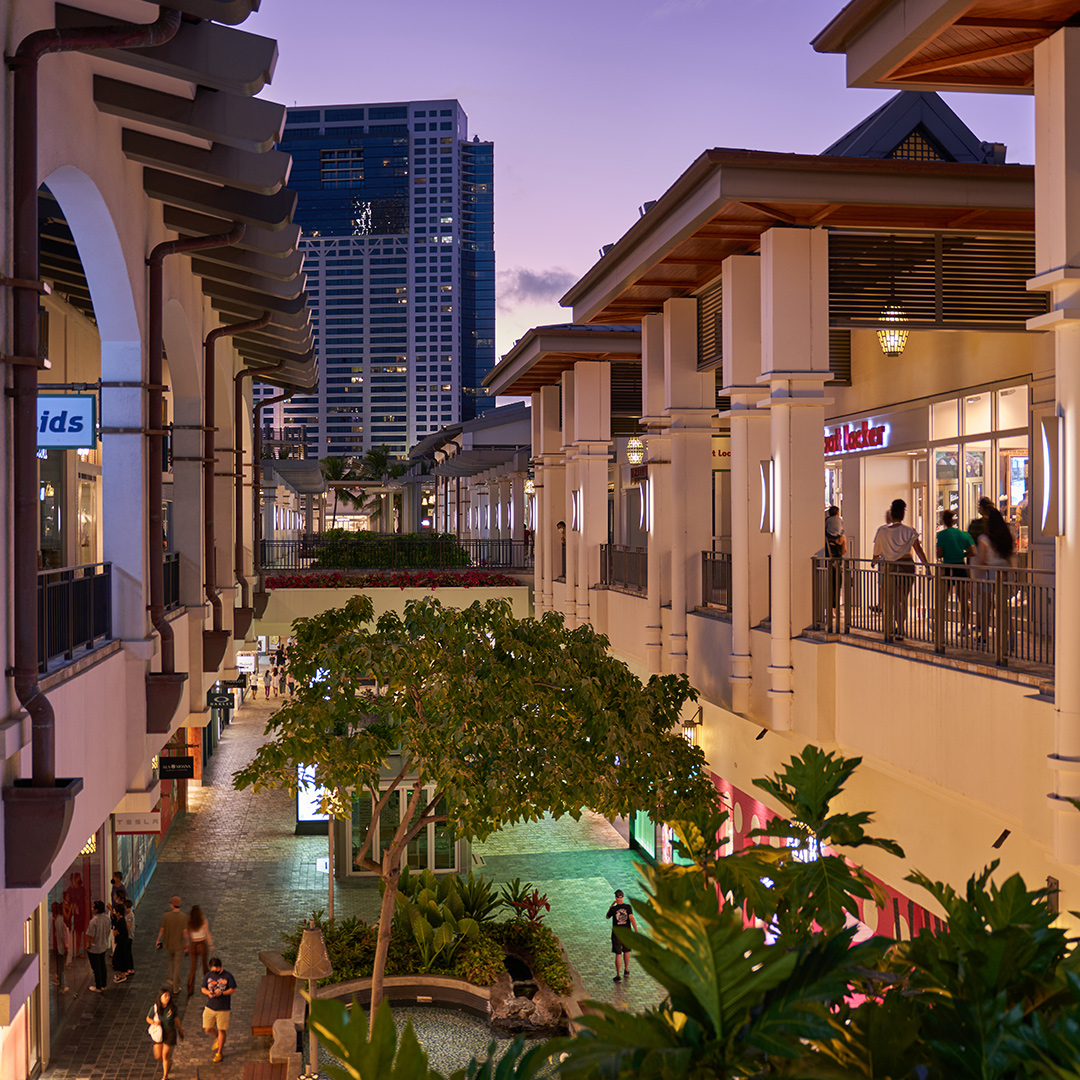
Back To The Future: Walkable Urbanism [Issue 8; September, 2008] The film Back to the Future reflects both the old and the newer ways in which communities were developed in 20th century United States through Marty McFly's journey from 1985 to 1955.The old towns had downtown areas that were the heart of the community; a city plaza with fountains, restaurants, businesses, City Hall, apartments, clothing stores, schools and banks; virtually everything needed for daily existence was downtown or within walking distance of the area. Towns were "walkable urban places" varying from lower-density small downtowns, suburban town centers to higher-density places like Dupont circle in Washington, D.C. and LODO in Denver and high density traditional downtowns like Seattle, Chicago and Midtown Manhattan. The newer communities that were introduced post 1950's are drivable sub-urban places where people rely on car transportation for nearly all trips from the home. Suburban towns are low density and have a "could be anywhere" character, since they are built according to well-understood national formulas.
WHAT CAN YOU DO? |
![]() |
|||