
GGP - Retailvisory - How to create a marketing plan that does all the heavy lifting
How to create a marketing plan that does all the heavy lifting
Learn tips and tricks to get eyes on your brand
Marketing your business can feel overwhelming. Between updating your website, posting on social media, sending emails, and managing everything else it takes to run a business, it’s easy to feel stretched thin. But consistent, thoughtful marketing is essential to retail growth — not just to attract new customers, but to build lasting relationships with the ones you already have.
That’s where a marketing strategy and plan comes in. A marketing strategy is a documented roadmap that outlines how your business will attract, engage, and retain customers. It connects your goals, audience, messaging, and channels into a cohesive strategy, helping you focus your efforts and avoid wasting time or budget on tactics that don’t deliver results.
When done right, marketing gives you the power to deliver the right message, at the right time, to the right people. But execution only works when it’s rooted in strategy. Without a clear plan, even the best ideas can feel scattered. Let’s break down how to build a marketing strategy and plan that actually does the heavy lifting for your business.
A marketing strategy is your North Star
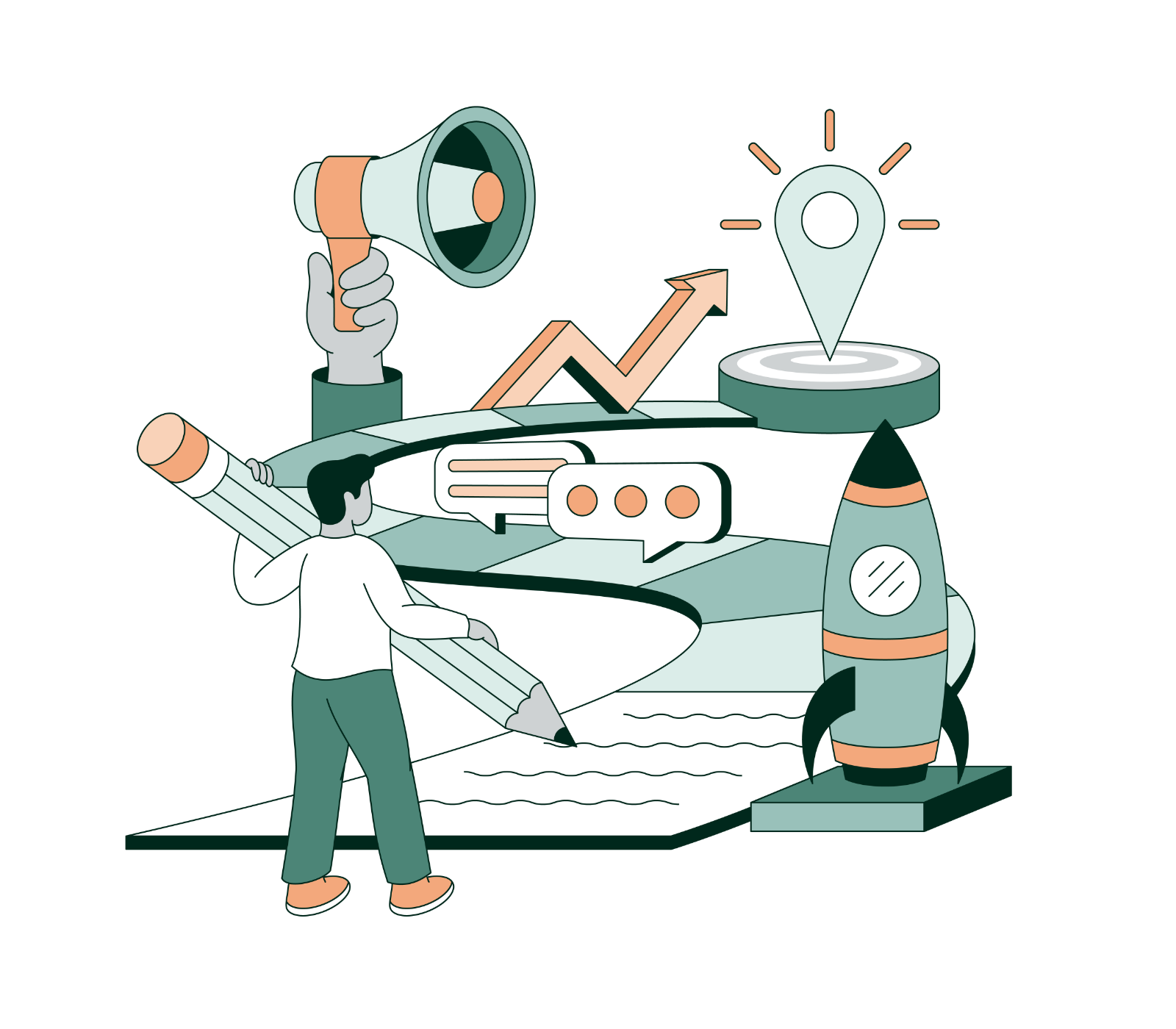
Think of your marketing strategy as the “why” and your marketing tactics as the “how.” Strategy defines your direction and priorities, while tactics are the individual actions — like social posts, emails, or ads — that support it. Without strategy, tactics can feel scattered and ineffective.
There’s lots to consider when putting together a marketing strategy. How can I make my website more impactful? What should I be emailing my customers about? What am I going to post on social media today? These questions become simple once you have a strategy in place. Before you begin sending emails and creating brochures, it is critical to take the time to reflect on your business, your product or service, your goals, and your audience. Understanding each will guide you in the right direction and save you time and money — don’t just start dancing on TikTok for nothing!
First, take an introspective look at your brand. How would you describe your business? What are the goals, aspirations, and values of your business? Who are your competitors and what makes you stand apart from them? Understanding these helps solidify your brand’s mission statement — and consumers are more likely to get behind a brand that has strong emotional appeal and conveys a similar sense of morals and values.
Second, make sure you clearly define your business goals. What does success look like? What action would you like your audience to take? Understanding both may help you build the structure of your marketing plan and allow you to accurately measure growth and progress.
Lastly, it’s important that you know your audience. Who does your business currently reach? Who would you like to reach? Discovering both allows you to build content relevant to your audience and find the appropriate channel or tactic that will push your messages to that exact target. For example, if you own a retail store that sells baby clothes, accessories, and toys, you’ll have a better chance at reaching your audience by advertising on mom blogs as opposed to Snapchat.
Developing a marketing strategy helps focus your time and energy. It allows you to make decisions based on data, critical thinking, and a sound analysis versus shooting in the dark on what might work. To help you develop your own marketing strategy, download our framework worksheet below and spend some time filling out each question. Your answers will guide your marketing plan and offer a reference the next time you get stuck creating marketing materials.
How to create a marketing plan (step by step)
Now that you have your strategy in order, it is time to build the plan itself. While every marketing plan looks different, most successful plans follow a similar structure. Here’s a simple way to get started:
Define your goals – What do you want marketing to achieve? (More foot traffic, higher sales, brand awareness, email sign-ups)
Understand your audience – Who you’re trying to reach, where they spend time, and what motivates them
Clarify your message – What makes your brand different and why customers should care
Choose your channels – Select the platforms and tactics that align with your audience and goals
Set a budget and timeline – Determine what’s realistic for your resources
Measure and adjust – Track performance and refine your approach over time
This framework keeps your marketing focused, flexible, and grounded in strategy.
What channels are right for you?
Now that you are thinking strategically, it’s time to decide which marketing channels make sense. Is your target audience Gen Z? TikTok could be a great channel to activate. Does your product sell best when someone can sample it? Maybe event marketing is key. Here is a list of common marketing channels we see many retail brands utilize:
Brand website
Social media
Google Business Profile
SEO & SEM
Email
PR/media
Digital advertising
Signage
Brochures/flyers
Direct mail
Blogs
Events
Trade shows/expos
Meetings/webinars
Partnerships/collabs
Influencers
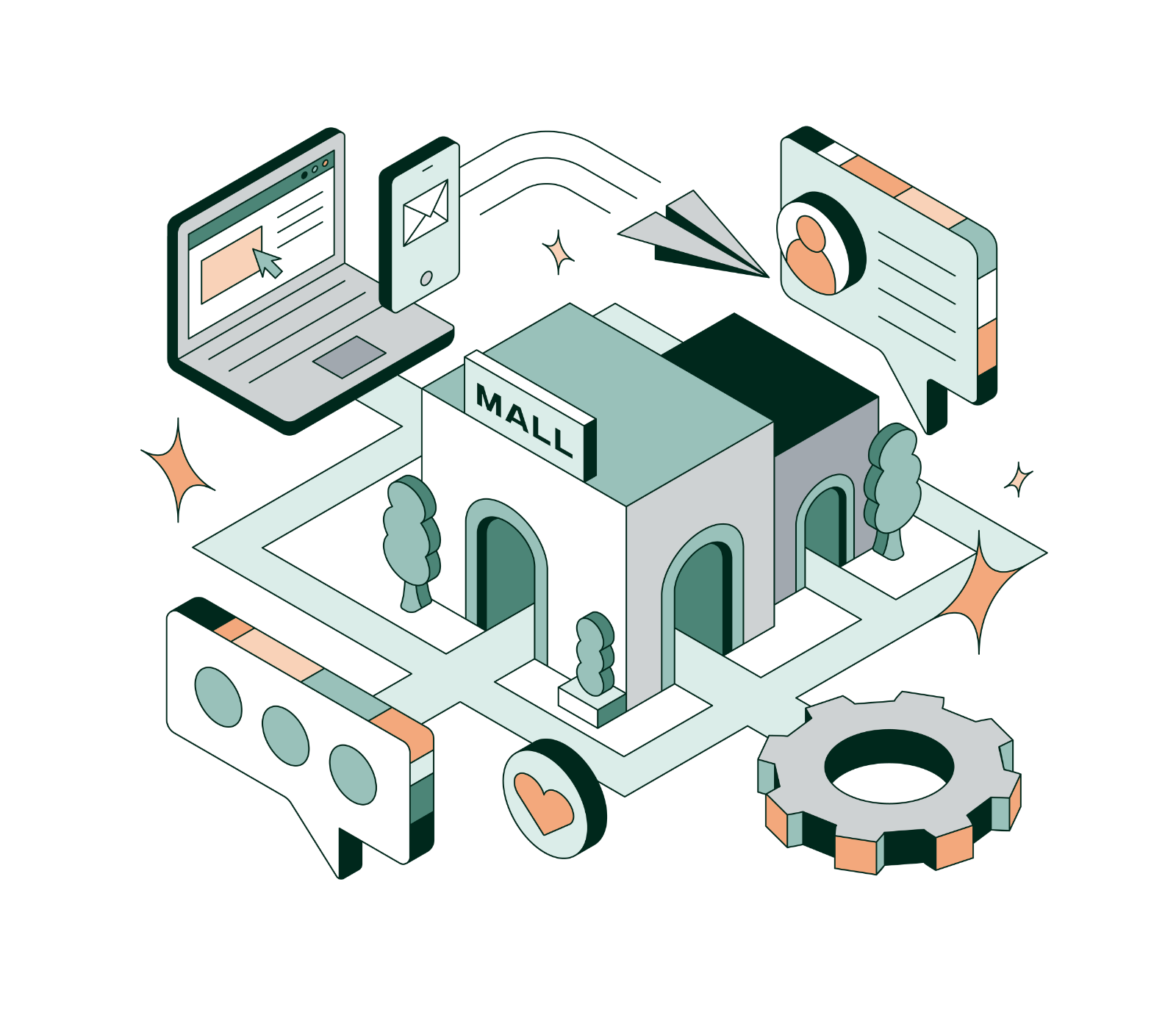 Not every channel will make sense for every business. Retail brands often benefit from a mix of digital and physical touchpoints — for example, using social media and email to drive traffic to in-store events or promotions. The most effective channel mix is the one that supports your goals, fits your audience’s habits, and is realistic to maintain.
The key is to think carefully about which channels you will activate. Most businesses will want to have a website, at least one or two social media channels, and a Google Business Profile as a baseline. Then, layer on channels that make sense for the specific strategy you’ve laid out. If you decide your target is Gen Z and Millennials, you might go all in on social and digital. If your marketing goal is to increase brand awareness, you might prioritize PR. And don’t be afraid to test, measure, and reconsider if a channel isn’t working for your business. There’s no sense in going all in on a marketing tactic if you aren’t seeing the returns.
Once you have your channels outlined, you can start creating and scheduling content for each. Good news, we have tips on content creation as a retail business ready for you to read!.
How to measure your marketing success
A strong marketing plan includes a way to measure what’s working. Depending on your goals, this could include website traffic, email open rates, social engagement, in-store visits, or sales performance. Reviewing results regularly allows you to double down on effective channels and adjust what isn’t delivering value — keeping your marketing efficient and aligned with your business goals.
Include the mall in your marketing plan
Opening a store at a mall unlocks more possibilities to market your business. A mall’s built-in audience, consistent traffic, and opportunity for new consumers to discover your brand can be very powerful! On top of that, malls have their own marketing channels such as a website, email programs, and social media profiles that can feature your business, sales, and events. A mall’s powerful media network could get your brand in front of many eyes — more on that in our in-mall advertising Retailvisory article.
When integrated thoughtfully, mall marketing channels can complement your digital efforts and create a more cohesive omnichannel experience for customers.
Creating a marketing plan rooted in strategy helps you focus your efforts, use your budget wisely, and connect with customers more effectively. For retail businesses — especially those with a brick-and-mortar presence — marketing is about more than promotion; it’s about telling your brand story, driving discovery, and creating meaningful experiences before customers even walk through the door. By taking time to understand your goals, audience, and channels, you can build a marketing plan that supports sustainable growth and evolves alongside your business.