
GGP - Retailvisory - Retail merchandising for the pros
Retail merchandising for the pros
Explore new ways of tackling visual merchandising within your retail footprint
Ever wonder how a slight tweak in your product display can transform your store's vibe and boost sales? Dive into the world of merchandising with us. Harness your retail passion and let's reimagine how your products can turn window shoppers into loyal patrons.
Visual merchandising is the practice of presenting products in a way that captures attention, guides customer flow, and ultimately drives sales. In today’s retail environment — where shoppers expect memorable in-store experiences — thoughtful merchandising can make the difference between a quick browse and a meaningful purchase.
Many of us working in retail joined this industry because we’re passionate about delivering a unique brick-and-mortar experience that leaves a lasting impression on our customers. You spend a lot of time thinking about new ways to grow your business and feature your product. Many of the retailers GGP works with today share a passion for delivering merchandise in unique and visually stunning — or even striking — ways. As the expert on your business, here are some ideas to help you challenge your merchandising status quo and create an experience that will keep your customers coming back for more.
Why merchandising still matters in modern retail
While digital channels play a major role in discovery, in-store merchandising remains one of the most powerful tools retailers have to influence buying decisions. Effective displays can increase dwell time, encourage cross-shopping, and reinforce brand identity — all without saying a word. For brick-and-mortar retailers, merchandising is both an art and a strategic sales driver.
1. Stack products high to create visual impact
It's an age-old merchandising truism: just gaze at those beautifully stacked apples in your local grocery store and feel the urge to grab one. But what does this mean for you? Consider your highest margin items — could they be artfully stacked in abundant quantities to create an awe-inspiring display? 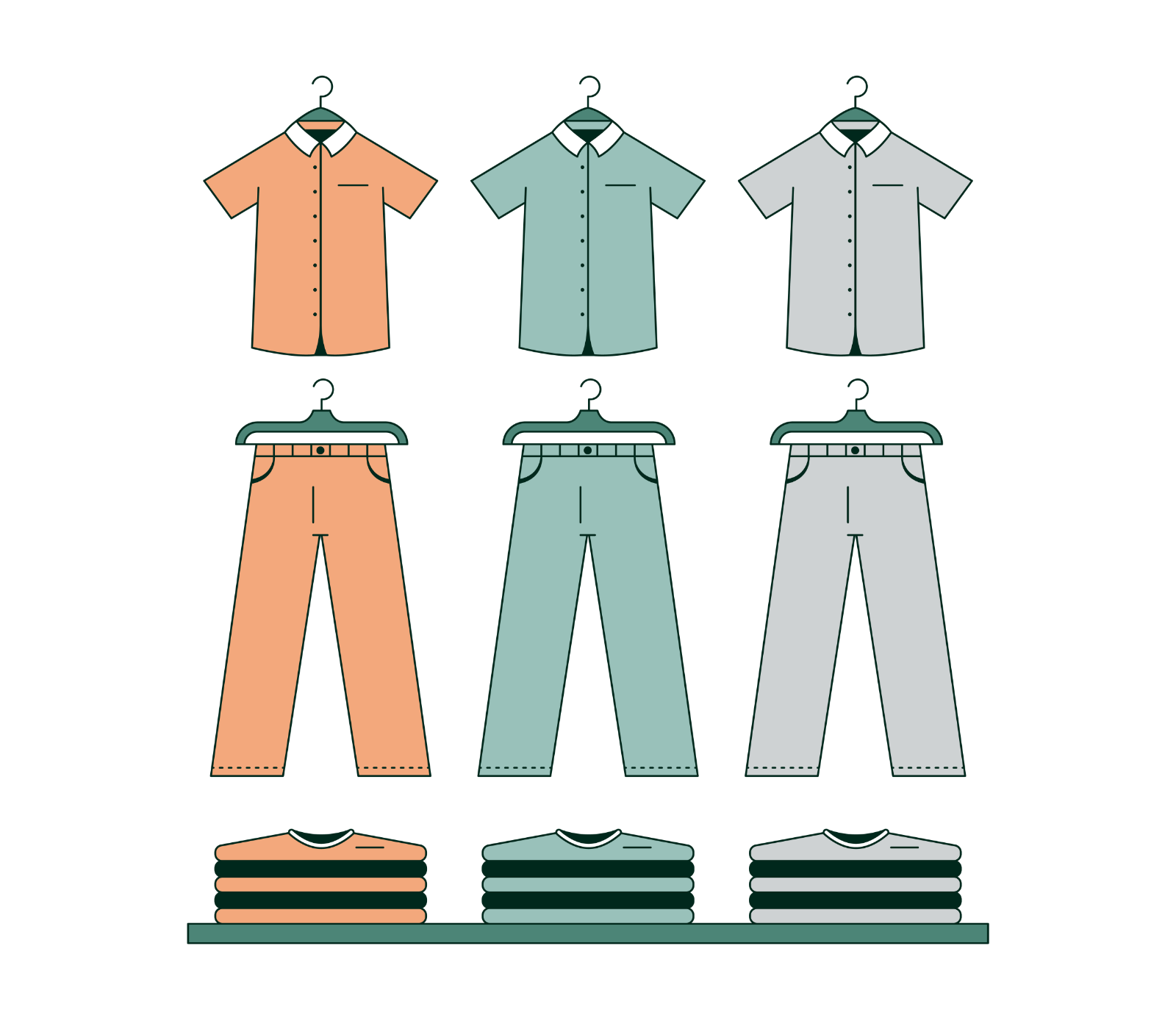 By repeating this arrangement or featuring a mountain of a similar product, you can captivate your customers' attention and entice them to explore lesser-visited areas of your retail store. Perhaps your stack can make a statement by focusing on a single color option or a specific product type. Let your imagination take flight and watch your sales soar!
2. Use color blocking to create visual impact
While the concept may seem simple, the act of grouping products in a range of the same or similar colors can have a significant visual impact. Whether it's grouping warm-colored products or creating a monochrome section, this strategy enhances the visual appeal of your shelves. Additionally, it helps customers easily locate what they're looking for and aids them in making purchasing decisions. By creating a sense of order and uniformity, you project a sense of expertise and competence in your store operations.
3. Create symmetry and balance in displays
Maintaining a sense of balance is crucial when it comes to creating focused and uncluttered displays. Choose a focal point that will capture customers' attention and emphasize it. A well-designed display achieves visual balance by incorporating both high and low elements, following patterns or structures that our eyes are accustomed to. As a general rule, position larger and darker items at the bottom, and place lighter items above to avoid making the display feel top-heavy.
4. Apply the rule of three
Like our interior design counterparts, when it comes to creating displays, the number three holds a special place. While even numbers and symmetry are easily comprehensible, odd numbers require a slightly longer processing time for most brains. This means that customers will pause and gaze, their eyes capturing different elements of your display. Once you have captured a shopper's attention, the rule of three reinforces a lasting impression of your product in their mind. Make sure you are maximizing your selling space by driving interest in your most profitable items.
5. Use mirroring to highlight products
Utilizing the principles of symmetry and repetition, mirroring can be a highly effective approach for maximizing merchandising opportunities. This technique involves strategically presenting products in a mirrored fashion on both sides of an imaginary line, resulting in a captivating display that draws attention. 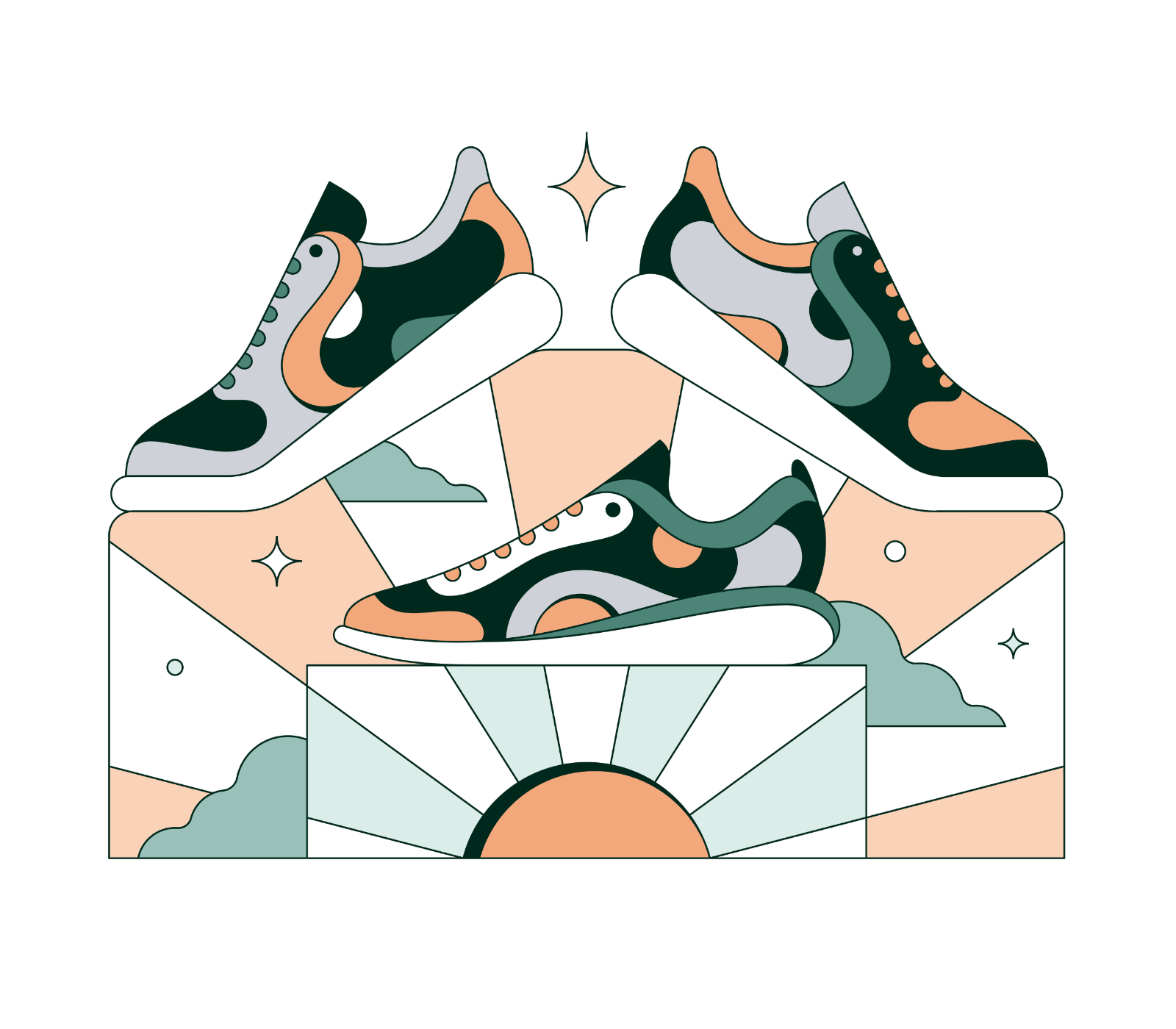 Mirroring is particularly well-suited for showcasing products in windows, on large tables, and on statement walls.
6. Impulse merchandising at the point of sale
During the checkout process, wherever you have your point of sales (POS) system, grab-and-go impulse items can serve as a clever upsell strategy. Most retailers are maximizing this strategy and putting tons of merchandise at and around their registers. If overdone, this could feel like a bad customer experience or not well thought out. When evaluating your checkout process, look at those little, lower price point items that people can’t help but touch, pick up, and look at. What products do you offer that could entice and divert your customer’s attention for a few seconds while they wait in line. So, what could these items be for your store? They could be things that smell good like candles, candies, or makeup, or maybe even paper goods like greeting cards.
7. Highlight local and seasonal elements
Local florists, local artists, local charities… what is it that you think would connect with your customer? Lean into your local seasons — the changing color of leaves in the autumn, snowfall in the winter, opening day of beach season, or even just a rainy day. These shared experiences forge a unique connection among you and your neighbors that no national chain can rival. Embrace these moments and cultivate a sense of togetherness with your local community.
8. Tell a story with your displays
Strong merchandising often follows a narrative. Whether it’s a seasonal theme, a lifestyle moment, or a product story, themed displays help customers imagine how products fit into their lives. Group items that work together and use signage or props to reinforce the story you’re telling.
9. Use props to enhance visual merchandising
Our final tip, which is also incredibly versatile, is to use props to bring your display to life. Don't limit yourself to just showcasing your merchandise. Props can include interesting shelving, stands, or even not-for-sale items that enhance the overall experience for your customers. This could be a great way to feature unique specialty items that can’t be found anywhere else. By regularly changing out these props, you can keep your store looking fresh and engaging, even if the merchandise remains the same. However, it's important to strike a balance and ensure that your props never steal the spotlight from your merchandise. They should serve as complementary elements that accentuate your displays, highlight your products, and ultimately maximize sales. Consider incorporating items like flowers (real or artificial), baskets, crates, trays, or mannequins, when appropriate.
10. Make pricing and messaging easy to understand
Even the most beautiful display can fall flat if customers don’t know what they’re looking at or how much it costs. Clear, consistent signage helps shoppers make decisions faster and reduces friction at the point of purchase.
Merchandising is one of the most personal expressions of your brand. Through thoughtful displays, creative storytelling, and intentional product placement, you can shape how customers experience your store and interact with your products. It is also important to remember to refresh your displays regularly! You don’t need to overhaul your store every week. Small updates — like rotating featured products, changing props, or refreshing color stories — can make your space feel new without a full reset. Aim to refresh key displays seasonally or around promotions.
When done well, merchandising doesn’t just make your space look good — it drives engagement, supports sales, and keeps customers coming back. Don’t be afraid to experiment, evolve, and make your retail space a reflection of what makes your brand unique.
Last updated: February 12, 2026
Sign up for the Retailvisory newsletter here.
