We are proud to partner with Farad Ali, who facilitates our retail workshops. He has served as an elected official in North Carolina, vice president at NMSDC, and CEO of The National Institute of Minority Economic Development.

GGP - Retailvisory - Grow your brand with a business model
Grow your brand with a business model
Better understand your business with this powerful tool
So, you’ve started your very own business. Congrats! But now you’re struggling to wrap your head around all the different aspects of it. From advertising to finances, production to partners, and everything in between, it can be overwhelming how much there is to juggle. That’s where a business model comes in handy. With help from Farad Ali, who is a proven national business and community leader with 30+ years of experience dedicated to economic development and the president & CEO of Asociar LLC, we’ll walk through the basics of business models and how they are the key to managing your brand.
Whether you’re launching a new concept, expanding into brick-and-mortar, or refining an existing operation, a clear business model helps you make smarter decisions at every stage. It gives structure to your ideas, helps you identify risks early, and creates a roadmap for sustainable growth — especially in competitive retail environments where margins, customer expectations, and operating costs matter.
Get to know your business model
Your business is a system of roles and capabilities designed to develop, sell, deliver, and support products or services. A business model helps you sort through these various roles and capabilities, allowing you to uncover leadership development opportunities, identify business gaps, and develop a clear overview of the business.
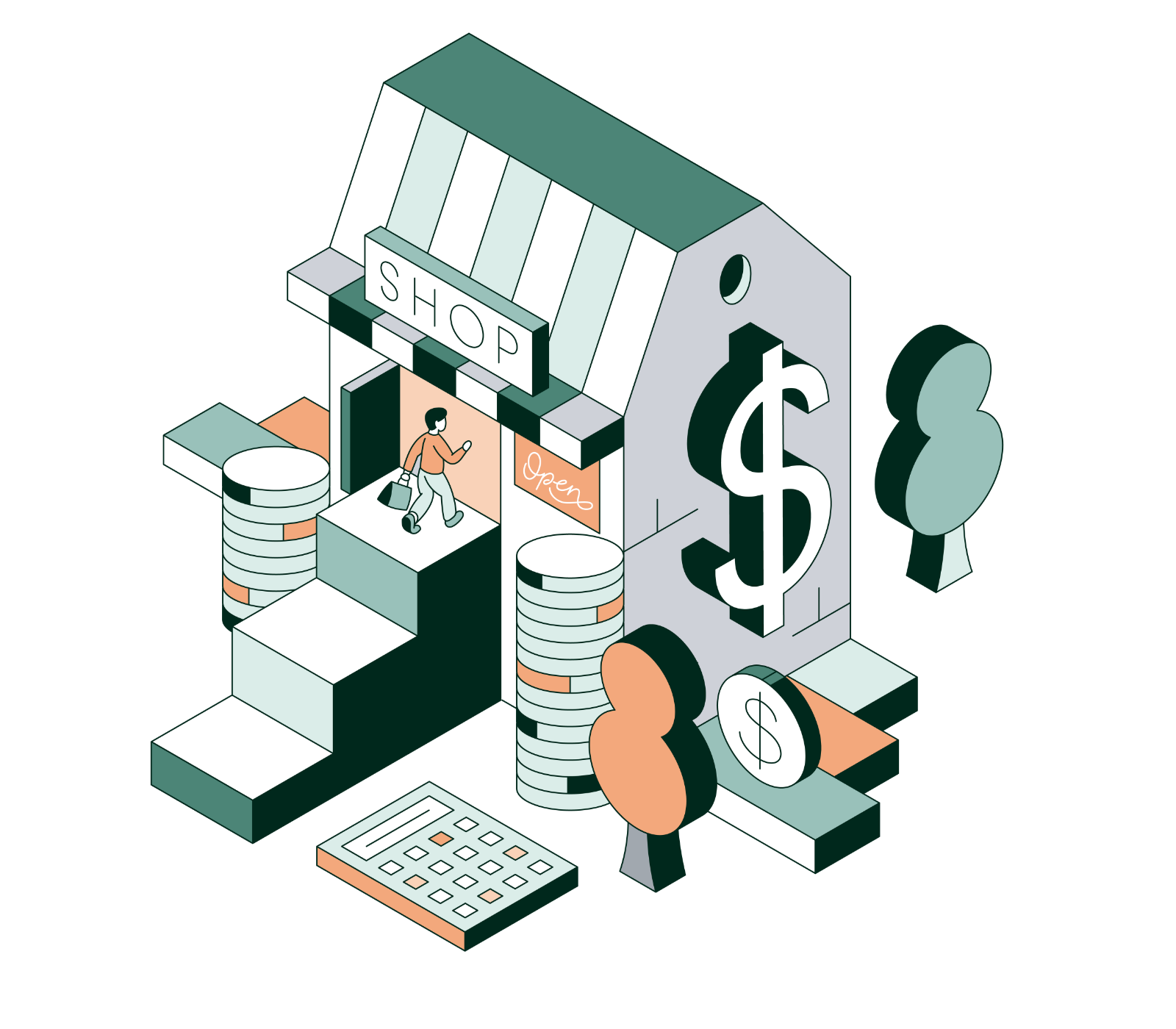 According to Ali, “When we’re developing businesses, we’re really building our reputation. We’re building our ability to make sure people understand that when we say what we’re going to do, we’re going to end up doing it.”
This is why business models are necessary for building a brand. They help you understand your business from the inside out — its purpose, its objective, and how it fits into the market. Once you fully understand your business, it is that much easier to share your brand with consumers and get them on your side.
Breaking down the business model
Typical business models have nine building blocks. Together, these nine elements create a holistic view of how your business operates, earns revenue, and delivers value.
Market & customer segments: Who are your current customers, and who still needs your business’ product or service?
Value proposition: What problem does your business solve, and how do you solve it?
Channels: How do customers find your business, and how do you deliver your value proposition to them? To learn more about channels, check out our article on building a marketing plan.
Customer relationships: How do you talk to your customers about your business?
Revenue streams & pricing model: How will you get paid for the solution you provide?
Key resources: What do you need to have to deliver your business’ product or service?
Key activities: What do you need to do to deliver your business’ product or service?
Partners: Who do you need to work with to deliver your business’ product or service?
Cost structure: How much will your partners, activities, and resources cost you?
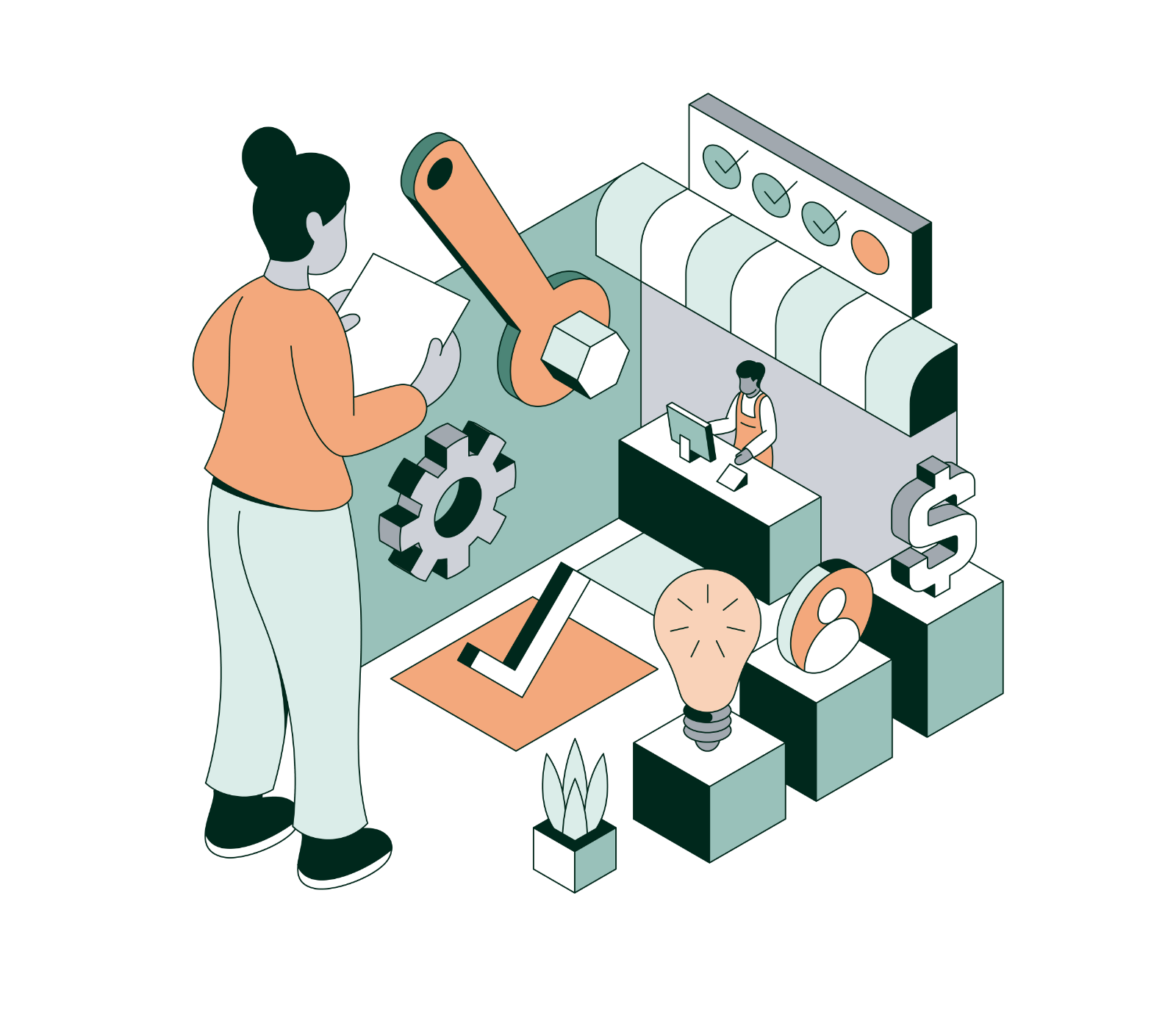
For retail brands, these building blocks are especially interconnected. Your customer segment influences your pricing model, your location strategy affects your cost structure, and your channels may include both digital touchpoints and physical retail spaces. Seeing these elements together helps you understand how one decision can impact the rest of your business.
Understanding your value propositions, customer relationships, and customer segments helps you decipher the desirability of your business. Do people really want or need it? Figuring out your key partners, key activities, and key resources helps you determine the feasibility of your business. Can you actually build it? Cost structure and revenue stream provide a sort of sanity check. Ali explains this check as: “Can you gain more revenue than it costs to make sure that you’re able to build your product?”
This is quite a lot of information to consider so let’s focus on the three most important segments. You can follow along with our downloadable beginner’s business model.
How to build a business model
If you’re new to business modeling, the goal isn’t to perfect every detail on day one — it’s to create a clear working framework you can refine over time. Start by answering a few foundational questions:
Who are you building this business for?
What problem are you solving better than anyone else?
How will customers find you and pay you?
What does it realistically cost to operate and grow?
From there, a business model canvas helps you organize those answers into a visual, easy-to-update structure that evolves alongside your business.
Follow along with our downloadable beginner’s business model
Props to the value proposition
Your value proposition is often the first thing customers notice — and the main reason they choose you over competitors. A strong value proposition clearly explains what you offer, who it’s for, and why it matters.
To help figure out your value proposition Ali asks, “What gives you a differential value proposition? Is it because you’ve had experience? Is it that you’re new? Is it that you perform customization? Do you have a personal brand that makes it work? Is your pricing high or low?” Let’s take a closer look at each of these elements:
Newness: Does your business provide a new solution or create an entirely new industry?
Performance: Does your business improve upon or outperform existing products or services?
Customization: Is your product or service tailored to the specific needs of your target audience?
Brand: Does your brand have a strong story? Does your brand signify status?
Price: Does your business offer value compared to competitors? Or, inversely, if you’re a luxury brand, does your pricing express that?
If you own a handbag company, you need to find what sets you apart from other brands. Is it cutting-edge design? Is the price affordable? Do your bags provide a function that’s never been seen before? Is your design aesthetic unique enough that it stands out from the crowd and can signify status?
In retail, a clearly defined value proposition also influences everything from merchandising and pricing to store design and customer experience. For example, a digitally native apparel brand may start with a direct-to-consumer model online, then evolve its business model to include pop-ups or mall locations as a way to reach new customers, reduce acquisition costs, and increase brand visibility. Revisiting the business model helps ensure each channel supports — rather than competes with — the others.
Customer segments
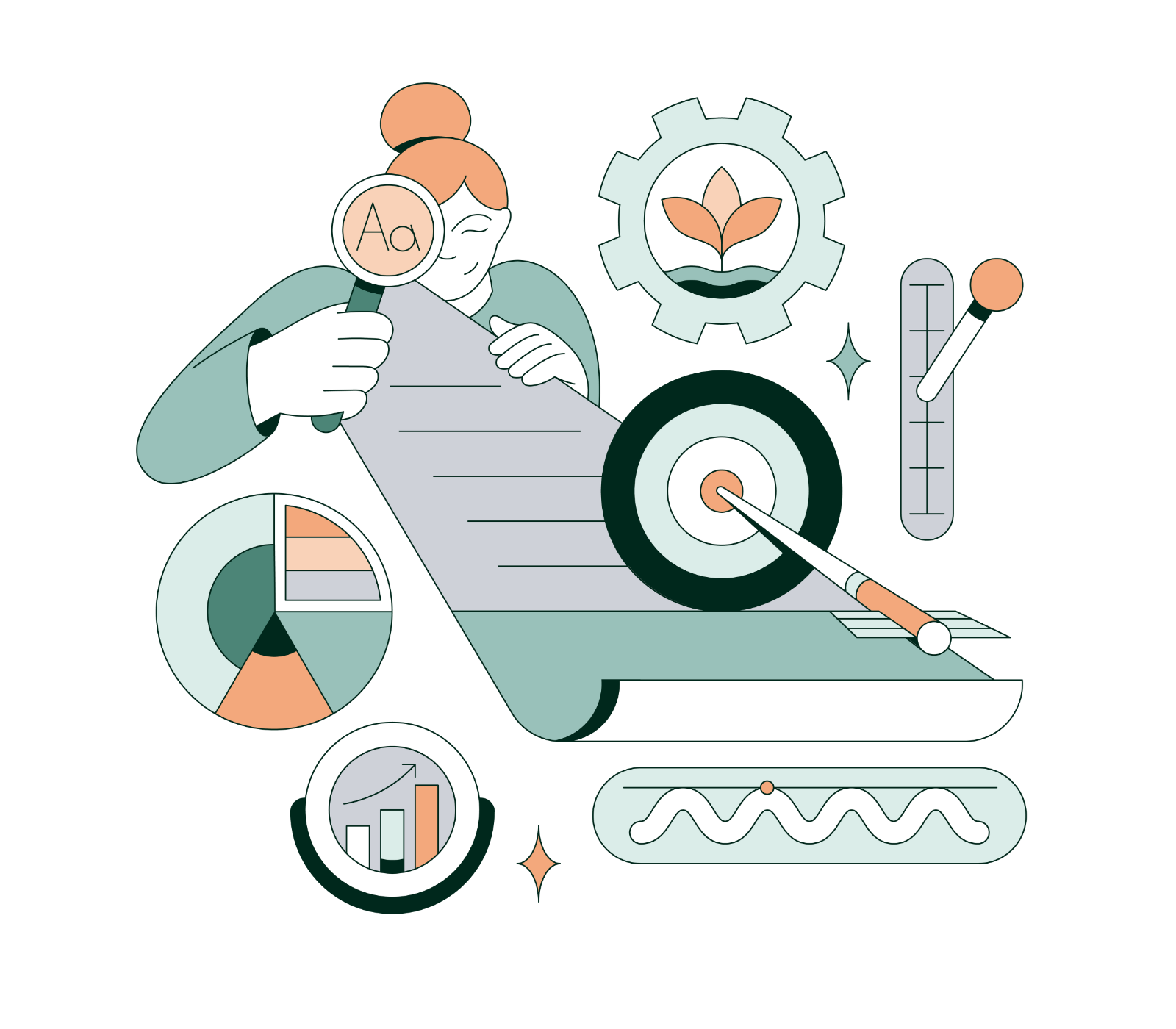
Now that you have your brand’s mission, it’s time to focus on the heart of any business — your customers. According to Ali, customer segments are the different groups of people or organizations your business aims to reach and serve. This includes users who might not generate revenues, but are necessary for the business model to work. There are a few different types of customer segments you can tap into:
Mass market: This segment sells to everyone.
Niche market: This describes selling to a hyper-focused group.
Segmented market: Selling a few different products or solutions to various groups of people.
Diversified market: Offering skills or products that complement your existing services.
Multisided platform: This is when you connect with two or more distinct groups of customers by offering efficiency. Ali gives the example of a barber who accepts walk-ins, takes reservations, and makes house calls.
Understanding your primary and secondary customer segments helps you prioritize decisions around marketing, pricing, and channel strategy.
Cost structure
Lastly, let’s look at a very crucial aspect of your business model — cost structure. Yep, all the money stuff! Your cost structure describes all costs incurred to operate your business model. This includes everything from electricity bills to employee wages, production costs, marketing cost, and more. Once you understand your cost structure, you can divide your total cost by your product to determine your break-even point.
Ali notes the importance of cost structure, stating, “It really helps you to understand how your business should work. If your costs are too high, I promise you will be out of business because whatever revenue you’re making will spin out. And whatever capital you have will spin out and you’ll lose. So being mindful early on of your cost structure and where you are is going to be really critical to how you build out.”
In retail, cost structure often includes rent, labor, inventory, marketing, utilities, and logistics. Understanding which costs are fixed versus variable can help you make informed decisions about pricing, staffing, and expansion — especially when moving into physical retail.
Now that we’ve examined some of the most important parts of a business model, it’s time to apply these to your brand. Consider some of the questions we touched on. Reflect on your main goals, who your main target is, and crunch some numbers to determine the feasibility of your business model. And remember, value proposition, customer segments, and cost structure are just the tip of the iceberg. There’s six more parts of the business model for you to build out from there, and the more you understand how your brand fits into this model, the more you will set yourself up for success.
Last updated: February 12, 2026
Want more retail tips delivered straight to your inbox?
Sign up for the Retailvisory newsletter here.
