

The goal of this business relationship is always to negotiate a win-win for both parties — since the relationship between a landlord and retailer is symbiotic. Understanding what is required puts you in a stronger position from the first conversation, and helps the GGP specialty leasing team find the best fit for your concept.
What a Mall Cart Actually Is
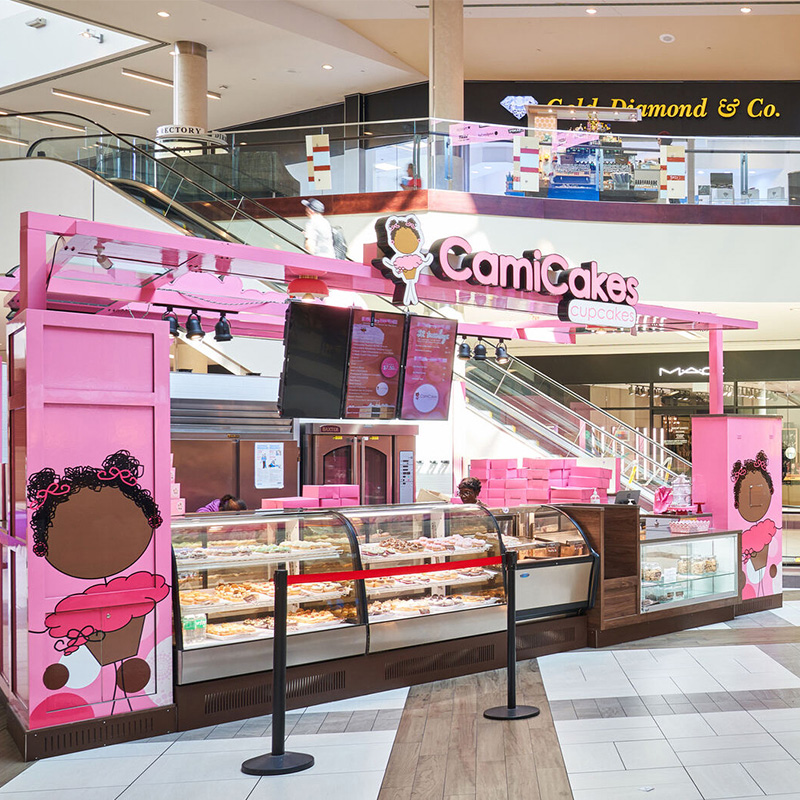
The formats typically covered under short-term arrangements at GGP include carts — also known as Retail Merchandising Units (RMUs) — kiosks, pop-up spaces, and temporary inline stores. Each carries slightly different requirements depending on the footprint, the term length, and the property. You can read more about each of these store formats in our brick-and-mortar store guide, but the specialty leasing team at each mall manages these formats and is your primary point of contact throughout the process.
The Core Requirements
A clearly defined concept. GGP's specialty leasing team is curating a tenant ecosystem, and the more clearly you can articulate your concept from the start, the faster and more effectively they can match you with the right format, placement, and property. Before your first conversation, be ready to describe what you are selling, who your customer is, and what a successful activation looks like for your brand. A well-prepared brand presentation is the single best thing you can bring to that first meeting.
Basic business documentation. While short-term arrangements require less financial documentation than a long-term commercial lease, you will typically need to provide proof of business registration, a valid business license where applicable, and contact information for the legal entity entering the agreement. Have these ready before your first meeting with the specialty leasing team.
Proof of insurance. Most specialty leasing agreements require tenants to carry general liability insurance at a specified coverage level. This is a standard requirement and non-negotiable in most cases. If you do not already have a business insurance policy in place, securing one before you begin leasing conversations will prevent delays when it comes time to finalize the agreement.
A realistic operational plan. Specialty leasing teams want to know that you can execute. This means having a clear plan for staffing your space consistently, managing your inventory, and maintaining your area according to the property's standards. Brands that can demonstrate a clear operational plan give the GGP specialty leasing team the confidence to match them with the right space and support them for a strong launch.
A deposit or prepayment. Short-term specialty leases frequently require a security deposit or advance payment at the time of signing. The amount varies by property and term length. Confirm what is required early in the process so it does not create a last-minute obstacle.
For even more details, read our article "Short-Term Commercial Leases: What Retail Brands Need to Know Before Signing."
What Strengthens Your Application
Beyond the baseline requirements, several things consistently improve a brand's position in the evaluation process.
Prior retail experience matters. If you have operated a cart, kiosk, or pop-up previously — at any property — that track record signals operational competence. Share it. Sales data from previous activations is particularly useful because it gives the leasing team a concrete basis for assessing your revenue potential and your ability to sustain the arrangement.
A polished brand presentation helps. This does not need to be elaborate, but it should clearly communicate your product, your customer, your visual merchandising approach, and what your space will look like in practice. Leasing teams are making an assessment of how your presence will affect the overall environment of the property. Help them see it clearly.
Flexibility on timing and placement can work in your favor. If you have some flexibility on your preferred start date or your exact location within the mall, say so. Properties with high demand for specific zones may be able to accommodate you more easily if you are not locked into a single option.
What the Process Looks Like in Practice
Initial contact goes to the GGP specialty leasing team at the property you are targeting. Come prepared with your concept summary, your preferred format, your target timeline, and any relevant sales history. The leasing team will assess availability and fit before moving forward.
If there is a match, you will typically receive a draft license agreement to review. Read it carefully. Pay particular attention to the term length and any renewal provisions, the total cost obligations including fees beyond the base rental rate, your responsibilities around build-out and restoration, exclusivity provisions if any, and the conditions under which either party can exit the agreement early.
Once both parties have agreed to terms, the agreement is signed and the deposit or prepayment is made. From there, the timeline to opening depends on the format — a cart or standard kiosk can be operational very quickly, while a custom kiosk build or temporary inline fit-out requires more lead time. Our retail store buildout guide outlines what you can expect from this process.&bnsp;
The Readiness Question Worth Asking First
Before investing time in the application process, it is worth honestly assessing whether your business is operationally ready for a mall activation. The physical presence of a mall location creates expectations — from customers, from the property, and from your own team — that require consistent execution to meet.
Brands that enter short-term mall retail before they are operationally ready tend to underperform and can sometimes impact relationships with properties they would benefit from returning to later. This is precisely why the GGP specialty leasing team works closely with every brand to find the right timing, format, and preparation structure before moving forward. The brands that get the most out of short-term arrangements are the ones that treat them as structured, well-prepared activations rather than informal tests.
Last Updated: August 11, 2026